The Brains and Bones Project
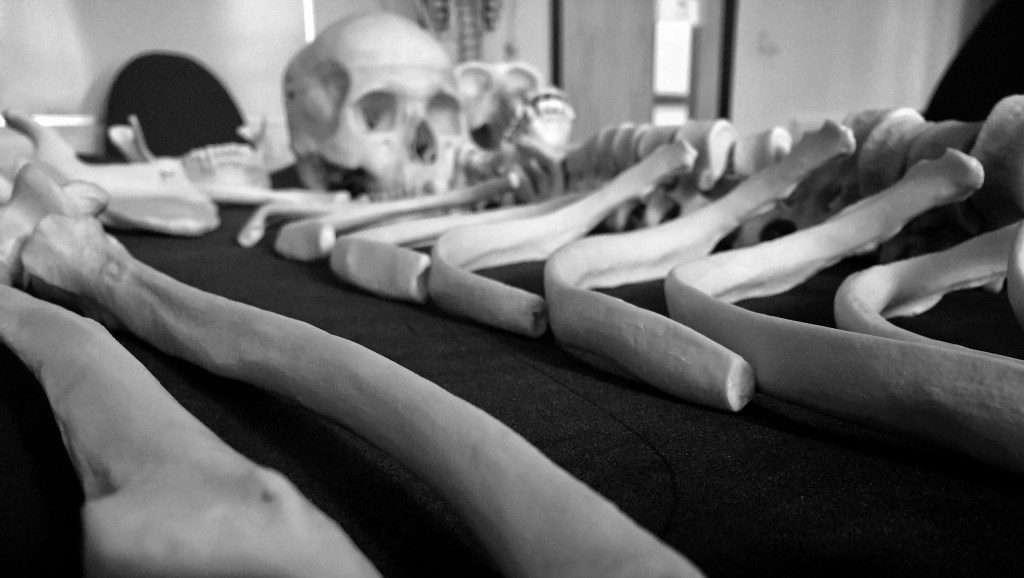
| At the Brains and Bones Project, we bring university-level human evolution education to audiences of all ages—from toddlers, to teenagers, and beyond! Using an embodied teaching approach, we introduce and explain evolutionary concepts through the evidence found in our own bodies today, supplemented with professional teaching models of the human skeleton and brain. We also provide professional development for educators, helping them bring our approach to their classrooms. |
“Dr Rosen provided the best, most in-depth teaching I have received across any module here at Durham University.”
Anonymous Feedback, Module Evaluation Questionnaire, 2021
Anthropology in Diverse Classrooms
In anthropology, we study humankind broadly and deeply, acknowledging the benefits of an interdisciplinary approach. Biological anthropology examines human beings as biological organisms, while valuing lived experiences and cultural differences.
When you book with Brains and Bones, you can expect a compassionate, conscientious, and data-backed program, appropriate for any student with a skeleton and brain!

Embodied Teaching
Embodied teaching is a relatively new paradigm with incredible potential. While all learning is inherently embodied (as our brains are part of our bodies), there has been a wide de-emphasis on movement and tangible learning in classrooms. But data shows that our brains learn and grow through movement and play! The Brains and Bones Project harnesses the power of play to demonstrate complex concepts in intuitive and memorable ways.
So, come and play!
Free Resource: The Skeleton Game
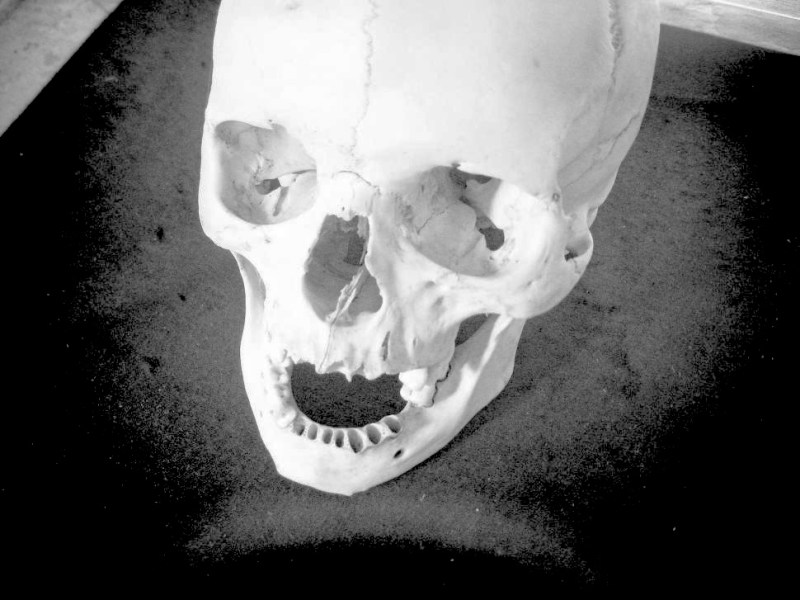
As the lecturer in charge of hominin evolution for our Human Evolution and Diversity Module in 2023, I had my students participate in a weekly challenge. Every week, I would provide a new game, quiz, or activity that they were encouraged to try and win. Every volunteer got candy, but every winner got both candy…

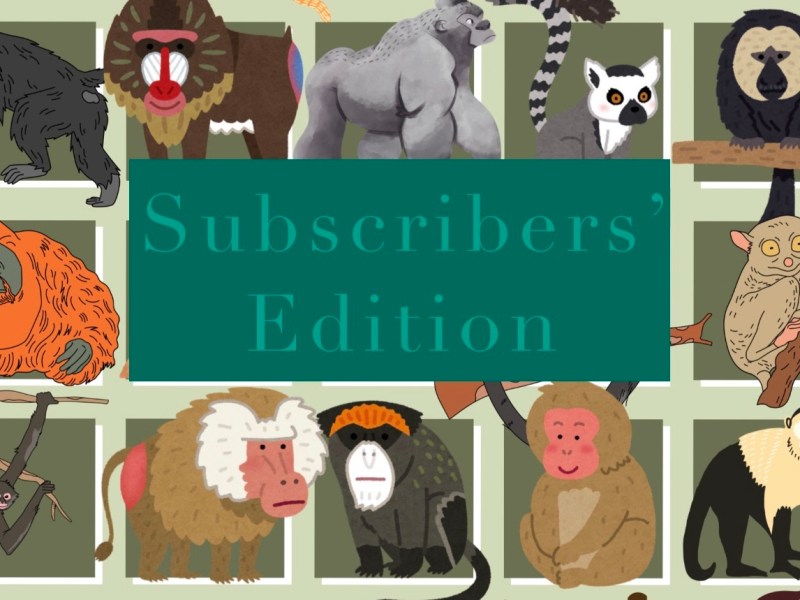
Primatology Bingo! Subscribers’ Edition
As a thank you for being part of the Brains and Bone Project community, we are offering subscribers 5 additional Primatology Bingo! cards for your classrooms. All illustrations were sourced from Canva, so you are free to craft your own cards as well. Happy teaching!
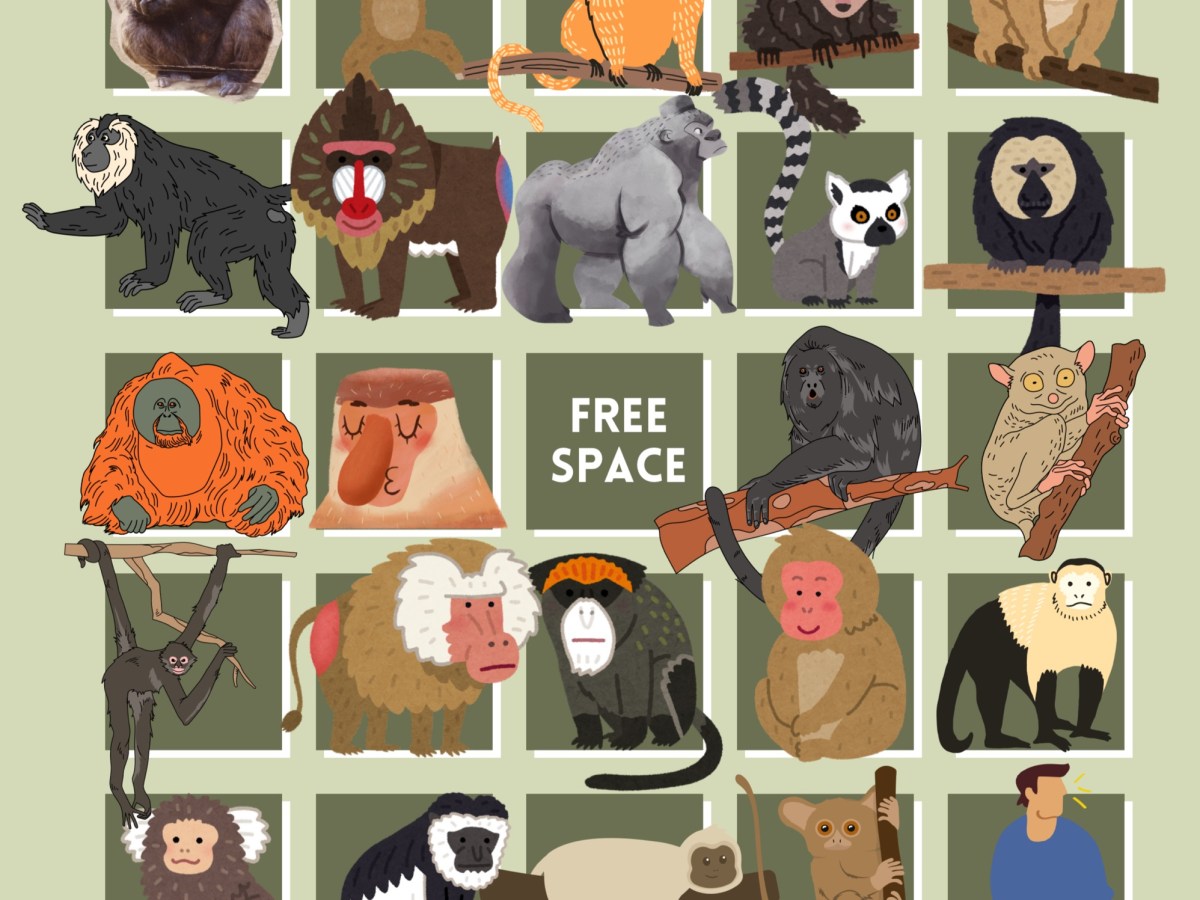
Free Resource: Primatology Bingo!
A vital part of contextualising the fossil record well, especially in regard to bipedalism (walking on two legs, bi=two + ped=feet) and associated anatomical changes, is illustrating the connection between humans and other extant (contemporary) primates first. If you establish those connections well, then the hunt for bipedal traits in the fossil record is an…

About Us
Dr Rosen is a biological anthropologist with an interdisciplinary interest in the relationships between our bones and our lived experiences. She has held Assistant Professorships at Durham University and Seton Hall University (Visiting), and is a Fellow of the Royal Anthropological Institute. Her work has been published by University of Toronto Press, Routledge, Cambridge University Press, and the Peace Review, among others. She has been nominated for the Durham University Excellence in Teaching Award (2021) and the Outstanding Contribution to Ustinov College Award (2022). She was named runner-up for the Women of Durham Award in 2023.
Mentorship, community outreach, and accessibility have always been top priorities for Rosen. From 2020 to 2023, she was a volunteer lecturer for the Sutton Trust and Supported Progression programs, which assist finishing Year-12s from underserved backgrounds enter university. She has also mentored undergraduate and postgraduate students at Ustinov and University Colleges of Durham University. In 2023, she received funding from the ESRC Impact and Acceleration Account to bring her research to audiences of all ages at Durham University’s Festival of Social Science. You can read more about this project in Teaching Anthropology (doi.org/10.22582/ta.v14i1.689).
She started this website as a personal blog during her PhD to help friends and family stay up to date with her work. Now, she hopes to bring her love of bones to everyone.


Frequently Asked Questions
What makes Brains and Bones different from other programs? We use an embodied teaching approach, which is engaging, intuitive, and helps young brains grow!
Why should we book with you? Our programs are run by content experts with competitive postgraduate qualifications in the field. Our programs align with the Victoria Study Design (check out VCE Biology Unit 4 Area of Study 2) and help all students critically analyse and interpret data. All at industry-leading prices!
Can you differentiate for all academic skill levels? If your students have a skeleton and a brain, then we can tailor our program to your needs!
I’m not so sure about this whole “evolution” thing, do you respect dissenting opinions during your program? Skepticism and paradigm challenging are fundamental parts of the scientific process, so we love to hear dissenting opinions! As long as we’re all navigating these questions together, there’s room for everyone.
Does your approach have academic backing? Yes! Brains and Bones has already appeared in Teaching Anthropology, a prestigious academic journal run by the Royal Anthropological Institute. It was developed based on other academic research on embodied teaching. Check it out.
I’m an educator and I’m curious about your process, but want to employ it myself. Can you help? Absolutely! We are happy to run professional development for any educator who wants to learn our process.
I’m getting some pushback on evolution in class and I don’t really have enough knowledge to navigate it. Can you help? Absolutely! We can provide you with the tools you need to turn pushback into productive, mutually respectful discussion in class.
Are skeletons and brains really appropriate for all ages? Seems too complex for toddlers. We’ve had great success so far with young audiences! Our emphasis on play helps young brains build neural connections, even if they don’t understand everything yet.
Do you bring all your own materials? Yes, we bring all teaching models, and other materials, with us. We’ll need table space for the models, a projector for a PowerPoint presentation, or a chalkboard if you’re feeling analog. If you are booking a mock forensic retrieval, we’ll also need dedicated indoor or outdoor space with room on the ground.
What are your safety protocols and can I see your risk assessments? We review and update our risk assessments and mitigations regularly! Please be in touch for a copy of our latest version. All employees have current Working With Children Checks, we sanitise all equipment/teaching models after each incursion, mark bulky items with high visibility tape, and comply with all school safety regulations.
Can you provide us with evidence of your insurance? We are happy to provide our insurance information, please be in touch through our Contact page.
Do you do private events, like birthday parties? We’re open to any events with fun and learning as their top priorities. Contact us to discuss your expectations and needs!
 The Brains and Bones Project