-
Fieldwork Entry 1: Antigua and Semana Santa
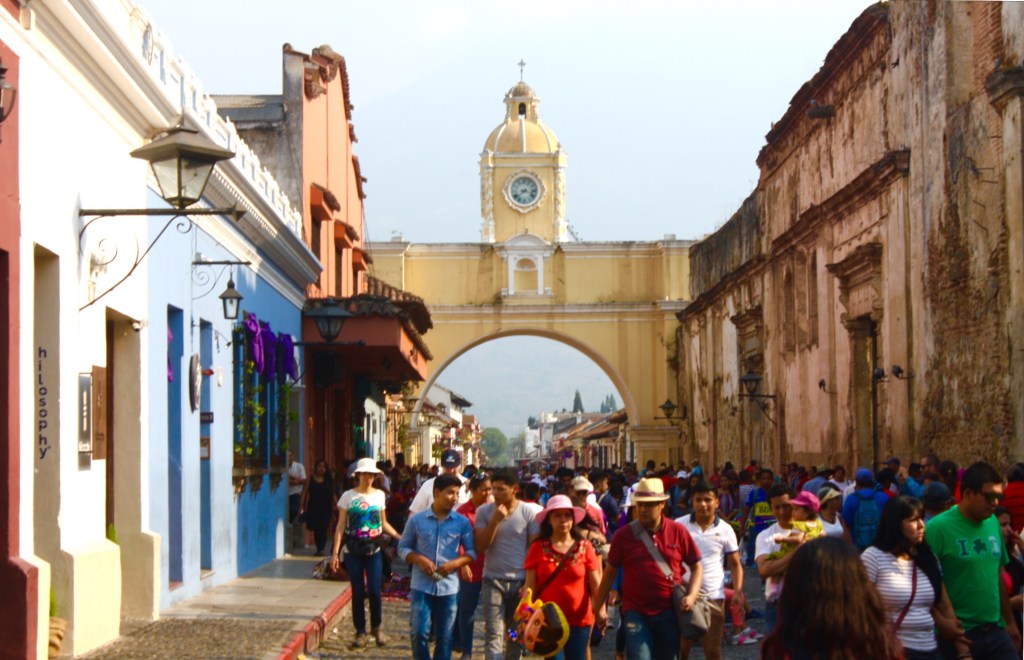
As some of you undoubtedly know, I’m now in the beautiful Guatemala for the first leg of my research–and honestly, the words to properly describe this place escape me. I’ve done quite a bit of traveling in my short life, but Guatemala is hands down the most beautiful country I have ever seen. The seismic…
-
Archaeology – An Overview
For my final four-field overview post, I want to talk a little bit about archaeology. You can find some more specific information about bioarchaeology in my previous posts, but there’s far more to archaeology than just the bones! First and foremost, let’s clarify, archaeology is not the study of dinosaur fossils. That would be paleontology,…
-
Linguistic Anthropology – An Overview

A similar subfield to Cultural Anthropology is Linguistic Anthropology. Contrary to popular belief, linguistics is not the study of languages for translation or speaking purposes, rather it is the study of how languages evolve and function within a cultural context. Some subfields of linguistics include: Linguistic Analysis – the technical study of language Sociolinguistics – how language…
-
Who were the Neanderthals?
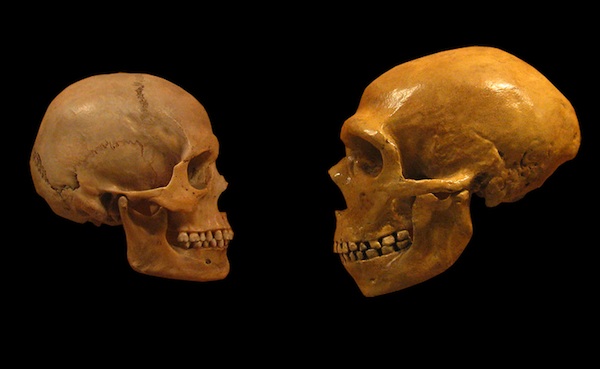
After several weeks of eager anticipation, yesterday was finally the day. Yesterday I received my results for 23andMe, the DNA analysis programme that gives you the lowdown on your ancestry and any genetic health risk factors you may carry. And while my results were pretty much as I suspected, I found out something pretty cool.…
-
Cultural Anthropology – An Overview
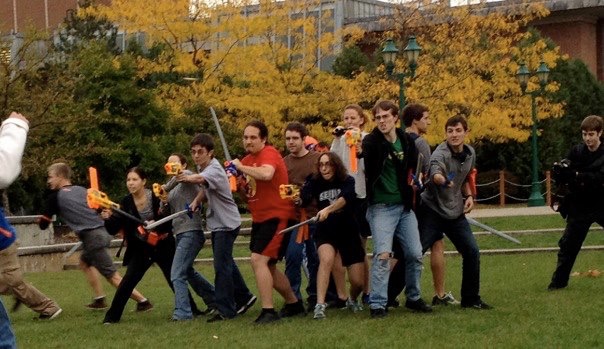
When anthropologists study different societies and their cultures, we look at many different things. We study: Religion and mythology Art Food Interpersonal dynamics Dance Music Family structures Marriage Literature Economic structures Clothing and fashion Body modification Warfare And much much more And the way we study most of these things is through participant observation. This…
-
Question re: Sticks and Stones
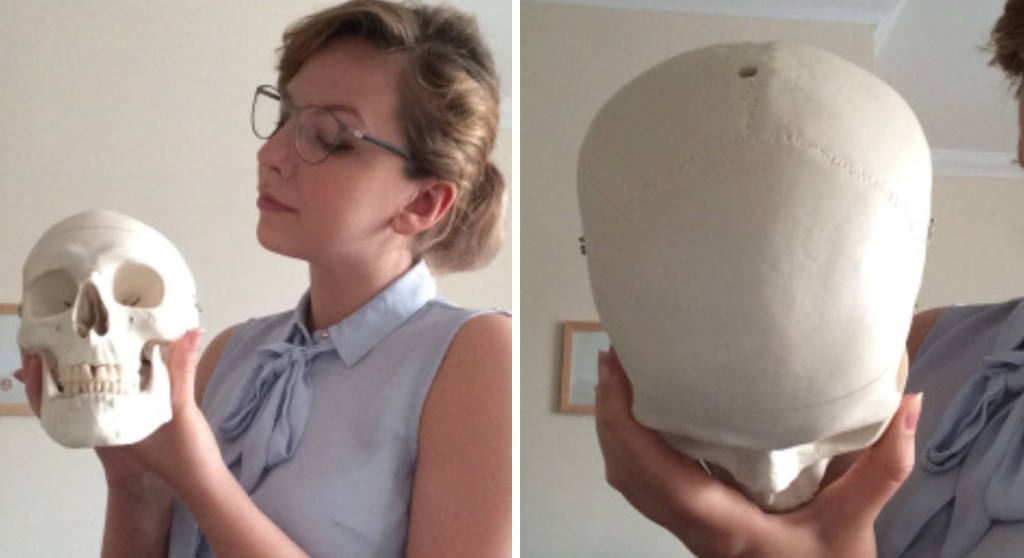
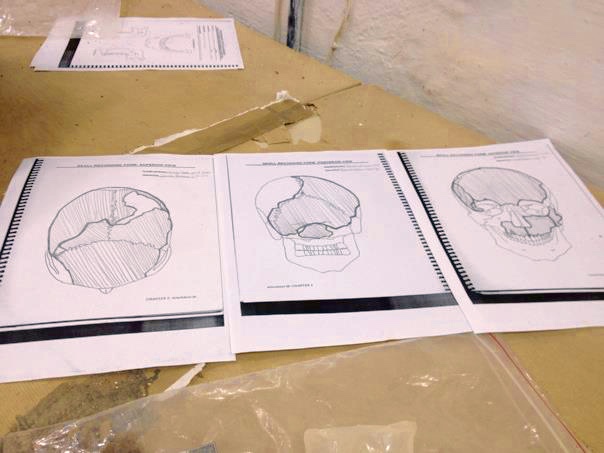
A good friend of mine, Nicole, has asked a great question about the post Sticks and Stones: Basics of Skeletal Trauma. She says: “Love this! Also if this is the superior view would you say that the trauma occurred along any suture lines? Also out of curiosity, which bone of the skull is pictured?” Thanks for…
-
A Bone to Pick: Basics of Palaeopathology
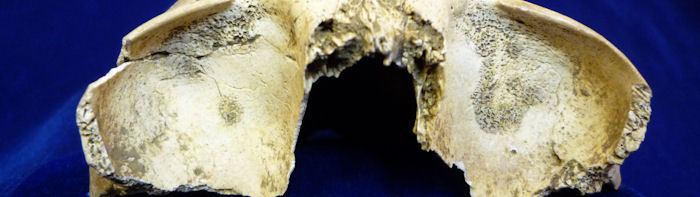
Palaeopathology is the study of ancient diseases, trauma, disability etc. by examining human remains. Like forensic anthropologists, palaeopathologists also work with a degree of uncertainty. When most of our data comes from the examination of human bones, there are specific limitations we must contend with. Bone can only react in one of two ways when…
-
NAGPRA and the Repatriation of Human Remains
Studying human remains can raise some pretty serious ethical questions. The large skeletal collections housed in the United States, like the Terry and Todd collections, are composed largely of dubiously collected remains from all over the world. And while these collections are treated with the utmost respect by researchers, it still does not lessen the damage…
-
Biological Anthropology – An Overview
Biological anthropology is one of the four major subfields of anthropology. Very generally, biological anthropology examines the biological development of human beings–meaning that we study everything from human evolution, our evolutionary cousins (other primates), comparative anatomy, osteology (the study of bones), and ecology. Here are just some of the many subfields of biological anthropology: Palaeoanthropology…
-
The Evolution Debate
Another subfield of biological anthropology that I’ve worked in is palaeoanthropology. Which, very simply, is the study of human evolution. And one of the most frustrating things I’ve experienced as an anthropologist is not evolution denial, but the very clear inability of people who do believe in evolution to give good answers to the questions put to…
 The Brains and Bones Project